Azion Content Delivery
About
Azion Content Delivery accelerates content through distributed infrastructure, caching and serverless functions, with stated delivery latencies below 30 ms. It includes image optimization, Origin Shield, a web application firewall and DDoS protection. Azion says its infrastructure can provide up to 10× higher performance than traditional solutions and reduce cloud costs by up to 80%; these are potential outcomes, not guarantees. Caching controls cover browser and edge expiration, large files, cookie or query-string behavior, tiered cache and real-time purge. Connectors link applications to HTTP origins or object storage and include load balancing, HMAC authentication and Origin Shield. The Hobby plan is 0.00 USD per free, with usage and resource limits; Pro is 25.00 USD per month, billed monthly and cancellable anytime. Enterprise pricing is custom. Annual billing commits customers for 12 months and charges the full annual price upfront. The platform lists more than 100 data centers and supports management through its Console, CLI, REST API and Terraform provider. All plans include Developer Support.
Who it is for
Azion suits teams delivering applications that need edge caching, serverless functions and integrated security controls. Its CLI, API and Terraform support can suit teams automating platform configuration.
What is good
- Includes image optimization and Origin Shield
- Web application firewall and DDoS protection
- Management through Console, CLI, API and Terraform
- All plans include Developer Support
- Hobby plan includes 1 TB monthly transfer
What to know first
- Hobby usage and resource limits apply
- Annual billing requires a 12-month commitment upfront
- Default single-object cache limit is 10 GB
- Developer Support accounts have 10 applications
Inferse review
Azion Content Delivery: the full review
Azion combines content delivery, edge functions, caching and security controls, with free and paid plans. Review Hobby limits and the billing terms that fit your deployment; the stated performance and cost-reduction figures are potential outcomes, not guarantees.
Azion Content Delivery brings CDN caching, serverless edge functions, origin connectivity and security controls onto a distributed platform. It is best suited to teams that want delivery and application logic managed together across multi-cloud or self-hosted environments. Its breadth is compelling, but Hobby quotas and the upfront commitment on annual billing deserve attention before production use.
Overview
Azion lists more than 100 data centers, with automatic routing, load balancing and failover. The service targets delivery latency below 30 ms; Azion also claims up to 10× higher performance than traditional solutions and cloud-cost reductions of up to 80%. Those are potential outcomes, not deployment guarantees.
This is more than a content cache: it combines programmable edge compute, origin connectors, security and application-management tools. That makes it a stronger fit for teams consolidating delivery and edge workloads than for buyers seeking only a basic CDN.
Key features
Caching and edge compute
Azion Applications supports browser and edge-cache expiration, tiered caching, large-file optimization, cookie and query-string cache behavior, and real-time purge. These controls give teams practical ways to tune cache freshness and handling. The documented minimum CDN cache TTL is 60 seconds, and the default maximum single-object cache size is 10 GB.
Serverless edge functions run closer to users on Azion’s distributed infrastructure, with JavaScript, TypeScript and WebAssembly runtimes. Integrations offer function-based templates for security, performance, databases, personalization, content targeting and other uses, including bot management and secure tokens.
Origins, security and operations
Connectors support HTTP origins and Object Storage, with load balancing, HMAC authentication and Origin Shield. The listed plan includes one shielded connector. A Web Application Firewall provides managed rules, attack scoring, custom rule sets and exceptions; DDoS protection is also included.
Security capabilities include TLS, mutual TLS, certificate management and customer certificates. Compliance includes PCI DSS 4.0.1 Level 1 Service Provider, SOC 2 Type 2, SOC 3 and FIPS 140-2 Level 3. Administration includes multi-organization workspaces, unlimited users, RBAC, MFA, OAuth and SAML SSO—useful for teams with access-control requirements.
Teams can work through the Console, open-source CLI, REST API, GraphQL API or Terraform provider, and deploy via Git repositories, CLI, Console, API or Terraform. All plans include Developer Support; paid tiers add options such as 24/7 ticket and email support, phone support and defined response times.
Pricing
Azion uses a freemium model, with a free plan and paid plans from $25/mo. The Hobby plan costs 0.00 USD per free and is aimed at personal projects and experimentation. It includes 10 workloads, 1 TB/month data transfer, 10M requests/month and 10 application rules, alongside global infrastructure, serverless functions, storage, databases, image optimization, DDoS protection and firewall. The caps are meaningful: exceeding Hobby usage or resource limits may require an upgrade or account restriction.
Pro costs 25.00 USD per month, billed monthly, and can be cancelled anytime. It raises the allowance to 20 workloads and 2 TB/month data transfer, while retaining 10M requests/month; it includes 20 application rules. This is the clearer fit for growing applications that need more workloads, bandwidth and rules, though the request allowance does not increase from Hobby.
Enterprise has custom pricing and payment terms, with custom usage and resource limits and options for on-demand pricing, Reserved Capacity or Savings Plan. Enterprise customers can add support levels and professional services.
Annual billing commits customers for 12 months and charges the full annual price upfront. Upgrades take effect immediately; downgrades and cancellations take effect at the end of the billing cycle. Applications accounts under Developer Support have a 10-application limit, which may matter even when a plan’s workload allowance is higher.
Platforms
Azion supports API, Linux, macOS, web and Windows. Its CLI installation options cover macOS, Windows and Linux; deployment also works through Git repositories, Console, API and Terraform. Multi-cloud coverage and a self-hosted option broaden its fit for teams with varied infrastructure requirements.
Who it's for
Azion suits teams that want CDN delivery, edge functions, caching controls and security under one operational platform, especially when Terraform, APIs or self-hosting matter. Hobby offers a substantial route for experimentation, while Pro adds bandwidth, workloads and rules for growing applications. Buyers who need more than 10M monthly requests on Pro, or who only need straightforward content delivery without edge compute and security, should compare alternatives and plan fit carefully.
Pros and cons
Pros
- Delivery and compute share a platform: caching and serverless functions can be managed together across the distributed infrastructure.
- Broad operational controls: Terraform, CLI, REST and GraphQL APIs, RBAC and SSO support teams integrating Azion into existing workflows.
- Security is part of the offering: DDoS defense, a configurable WAF, encryption and named compliance certifications support security-conscious deployments.
- Hobby has useful room to evaluate: its free allowance includes 1 TB/month and 10M requests/month, plus functions and security features.
Cons
- Hobby limits can constrain real deployments: exceeding its usage or resource caps may require upgrading or restricting the account.
- Pro keeps the same request cap: its 2 TB/month transfer allowance and 20 workloads do not raise the 10M monthly request limit.
- Annual billing reduces flexibility: customers commit for 12 months and pay the full annual price upfront.
- Developer Support has an application ceiling: the 10-application limit may not suit larger portfolios without a different support arrangement.
Alternatives
For cloud automation rather than content delivery, Cycloid is worth considering: its free SaaS plan covers up to five users and one workspace, while Advanced costs 45.00 USD per month. Apache CloudStack is a free, open-source IaaS option when the priority is cloud infrastructure software rather than Azion’s integrated CDN and edge delivery.
OpenNebula, Quali Torque, Cloudify, Cloudpods, Kubermatic Kubernetes Platform and Rundeck are other options to compare when evaluating cloud or infrastructure automation platforms.
Verdict
Choose Azion when you want caching, edge functions, origin connectivity and security controls in one platform, with APIs and Terraform to fit an existing stack. Its strongest case is that combination of delivery and programmable edge infrastructure. Look elsewhere if your workload outgrows Pro’s 10M monthly request allowance, annual prepayment is unsuitable, or you need only a simpler CDN.
Compared on cloud automation software
Facts
- Delivery Latency
- Content delivery can achieve latencies below 30 ms.azion.com · 28 Sept 2026
- Performance Gain
- Distributed infrastructure can provide up to 10× higher performance than traditional solutions.azion.com · 28 Sept 2026
- Cloud Cost Reduction
- Azion says cloud costs can be reduced by up to 80%.azion.com · 28 Sept 2026
- Free Plan Features
- The Hobby plan includes global infrastructure, serverless functions, storage and databases, image optimization, and DDoS protection with firewall.azion.com · 28 Sept 2026
- Free Plan Limits
- Hobby usage and resource limits may require an upgrade or account restriction when exceeded.azion.com · 28 Sept 2026
- Annual Billing
- Annual billing commits customers to 12 months and charges the full annual price upfront.azion.com · 28 Sept 2026
- Plan Cancellation
- Upgrades take effect immediately; downgrades and cancellations take effect at the end of the billing cycle.azion.com · 28 Sept 2026
- Global Infrastructure
- Azion Platform lists more than 100 data centers with automatic routing, load balancing, and failover.azion.com · 28 Sept 2026
- Security Encryption
- The platform includes TLS encryption, mutual TLS, certificate management, and customer certificates.azion.com · 28 Sept 2026
- Security Certifications
- Listed compliance includes PCI DSS 4.0.1 Level 1 Service Provider, SOC 2 Type 2, SOC 3, and FIPS 140-2 Level 3.azion.com · 28 Sept 2026
- Team Administration
- Administration includes multi-organization workspaces, unlimited users, RBAC, MFA, OAuth, and SAML SSO.azion.com · 28 Sept 2026
- Developer Integrations
- Developer tools include CLI, API, GraphQL API, and Terraform.azion.com · 28 Sept 2026
- Included Support
- All plans include Developer Support by default.azion.com · 28 Sept 2026
- Enterprise Support
- Enterprise customers can add support levels and professional services.azion.com · 28 Sept 2026
- Edge Functions
- Serverless functions run closer to users through Azion's distributed infrastructure.azion.com · 28 Sept 2026
- Origin Shielding
- The platform includes Origin Shield with one shielded connector on the listed plan.azion.com · 28 Sept 2026
- Web Firewall
- Azion includes a Web Application Firewall with managed rules, attack scoring, custom rule sets, and exceptions.azion.com · 28 Sept 2026
- Purpose
- Azion Content Delivery accelerates content with advanced caching and distributed functions, targeting latencies below 30 ms.azion.com · 28 Sept 2026
- Performance
- Azion states that its distributed infrastructure can deliver up to 10× higher performance than traditional solutions.azion.com · 28 Sept 2026
- Scaling
- Azion says its infrastructure automatically scales during traffic spikes and can reduce cloud costs by up to 80%.azion.com · 28 Sept 2026
- Security
- The content-delivery solution includes integrated DDoS defense and programmable security controls applied across Azion’s distributed infrastructure.azion.com · 28 Sept 2026
- Caching
- Azion Applications supports browser and edge-cache expiration, large-file optimization, cookie or query-string cache behavior, tiered cache, and real-time purge.azion.com · 28 Sept 2026
- Origin connectivity
- Connectors connect applications to HTTP origins or Object Storage and include load balancing, HMAC authentication, and Origin Shield.azion.com · 28 Sept 2026
- Integrations
- Azion Integrations provide function-based templates for security, performance, databases, content targeting, personalization, signed cookies, bot management, hCaptcha, reCaptcha, and secure tokens.azion.com · 28 Sept 2026
- Automation
- Azion can be managed through the Console, an open-source CLI, a REST API over HTTPS, and the Azion Terraform Provider.azion.com · 28 Sept 2026
- CLI platforms
- The Azion CLI documentation provides installation methods for macOS through Homebrew, Windows through Chocolatey or WinGet, and Linux through RPM, Dpkg, APK, or APT packages.azion.com · 28 Sept 2026
- Compliance
- Azion receives annual SOC 2 Type 2 and SOC 3 reports evaluated against the Security and Availability trust principles.azion.com · 28 Sept 2026
- Support
- All plans include Developer Support, while paid support tiers provide options such as 24/7 ticket and email support, phone support, and defined response times.azion.com · 28 Sept 2026
- Application limits
- The documented default single-object cache size is 10 GB, minimum CDN cache TTL is 60 seconds, and Applications accounts have 10 applications under Developer Support.azion.com · 28 Sept 2026
Company
- Headquarters
- Palo Alto, California, United Statesazion.com · 28 Sept 2026
Best Azion Content Delivery alternatives
See all 12 7.3 Cycloid $45/mo first paid tier Free plan
 7.3 OpenNebula See plans price on the maker's page
 7.3 Quali Torque $19/mo first paid tier Free plan
 7.2 Apache CloudStack Free free plan, no paid price published Free plan
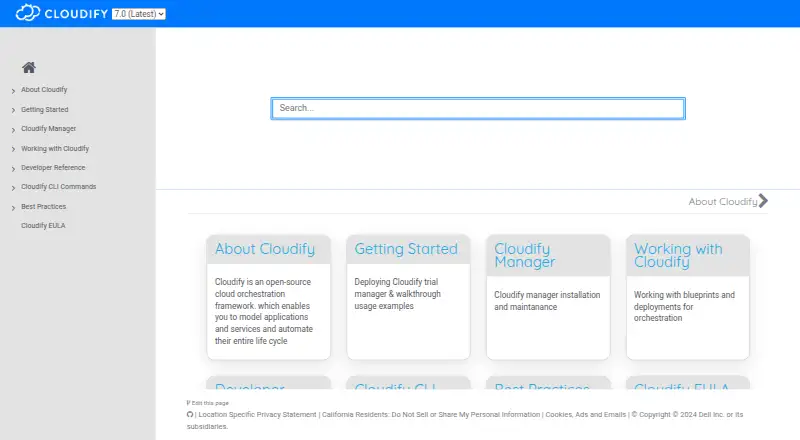 7.2 Cloudify Free free plan, no paid price published Free plan
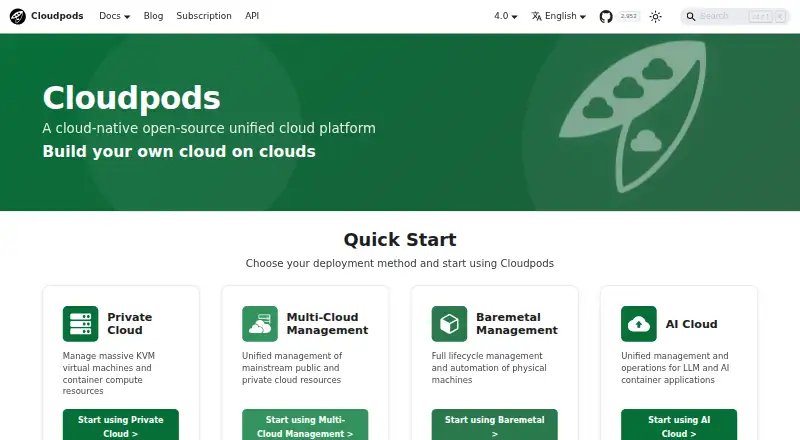 7.2 Cloudpods CNY 83.25/mo first paid tier Free plan
 Where it ranks on Inferse
- Best Cloud Automation Software in 2026#1 of 31
- Best CDN Software in 2026#1 of 29
Sources
- azion.com/en/solutions/content-delivery/· checked 28 Sept 2026
- azion.com/en/pricing/· checked 28 Sept 2026
- azion.com/en/documentation/products/build/applica· checked 28 Sept 2026
- azion.com/en/documentation/products/secure/connec· checked 28 Sept 2026
- azion.com/en/documentation/products/marketplace/i· checked 28 Sept 2026
- azion.com/en/documentation/products/azion-platfor· checked 28 Sept 2026
- azion.com/en/documentation/products/azion-cli/ove· checked 28 Sept 2026
- azion.com/en/compliance/· checked 28 Sept 2026
- azion.com/en/products/functions/· checked 28 Sept 2026