UiPath Test Cloud
About
UiPath Test Cloud helps teams design, automate, orchestrate and manage software testing across low-code, coded, UI and API workflows. Tests can be authored with drag-and-drop activities, coded automation or AI-generated authoring, and cover web, mobile, desktop, API and enterprise applications. Autopilot can generate test automation and synthetic test data, and refactor existing coded automation. Healing Agent analyzes runtime behavior and can adjust selectors, handle overlays and wait for loads to reduce UI test breaks. Integrations include Jira, ServiceNow, Azure DevOps and SAP Solution Manager; CI/CD support includes Azure DevOps, Jenkins and UiPath CLI. The AI Trust Layer provides governance features including audits, spend controls and PII masking. Deployment is available as UiPath-managed SaaS or as customer-managed, on-premises Private Test Cloud. A free Public Test Cloud trial includes Test Manager, Studio, Autopilot and Healing Agent, but its duration is not stated. UiPath's story began in 2005.
Who it is for
UiPath Test Cloud is aimed at enterprise QA leaders, test automation engineers, manual testers and SDETs. It suits teams that need to combine low-code and coded testing across application types and deployment models.
What is good
- Supports low-code, coded, UI and API workflows.
- Autopilot can generate tests and synthetic data.
- Healing Agent can adjust selectors at runtime.
- Offers customer-managed, on-premises deployment.
- Includes a free Public Test Cloud trial.
What to know first
- Trial duration is not stated.
- Applicable security attestations depend on deployment model.
- Performance testing is priced separately on Standard.
- Some Enterprise connectors cost extra.
Inferse review
UiPath Test Cloud: the full review
UiPath Test Cloud covers a wide range of test authoring and application types, with AI-assisted generation and runtime recovery. Teams should account for deployment-dependent security attestations and separately priced plan components.
Overview
UiPath Test Cloud is a software testing platform for designing, automating, coordinating, and managing tests across low-code and coded workflows, user interfaces, and APIs. Its stated scope includes web, mobile, desktop, API, mainframe, and enterprise applications. Teams can run it as UiPath-managed SaaS or use Private Test Cloud, an on-premises deployment managed by the customer.
The product brings test authoring, execution, and management into an enterprise-oriented platform. It combines drag-and-drop low-code activities with coded automation and AI-assisted authoring, and supports both scheduled runs and human approvals. UiPath’s story began in 2005 with a 10-person team in Bucharest; the company is now headquartered in New York, New York.
For readers comparing options in AI software testing tools, the key fit questions are how much of the team’s work spans different application types, whether AI governance matters, and whether SaaS or customer-managed hosting is required.
Key features
Multiple ways to build tests
Test Cloud supports test creation with drag-and-drop low-code activities, coded automation, or AI-generated authoring. Autopilot can generate both low-code and coded test automation, create synthetic test data, and refactor existing coded automation. This mix gives teams more than one authoring path rather than requiring all tests to follow a single style.
Runtime recovery and AI governance
UiPath’s Healing Agent analyzes execution at runtime and can take recovery actions such as adjusting selectors, handling overlays, and waiting for page loads. These actions are intended to reduce breaks in UI tests, but do not remove the need to review test behavior and results.
The AI Trust Layer provides centralized governance for AI usage. Its stated controls include auditing, spend controls, PII masking, and flexibility in model choice. Test Cloud also lists AI defect analysis as a capability.
Delivery tooling and extensibility
Test Cloud connects with ALM tools including Jira, ServiceNow, Azure DevOps, and SAP Solution Manager. For CI/CD, it supports Azure DevOps, Jenkins, and UiPath CLI. Connectors, plugins, APIs, and SDK-based extensibility are available for integration with enterprise delivery environments. Playwright is among its supported frameworks.
Security follows UiPath’s standard cloud security program. Applicable certifications and attestations vary with the deployment model, so organizations evaluating compliance should confirm what applies to their chosen setup.
Pricing
Test Cloud has a freemium pricing model, with a free plan and paid plans from $25/mo. UiPath also offers a free Public Test Cloud trial that includes Test Manager, Studio, Autopilot, and Healing Agent; the trial duration is not stated here. A separate pricing note lists a 60-day trial, so confirm the applicable trial terms before signing up.
Standard and Enterprise plan prices are not listed. The Standard plan lists no usage caps and a single hosting region. Its listed add-ons are Performance Testing at $20K / 2,500 VUs, Screenplay at $10K / 50K runs, and Self-Healing at $5K / 5K heals.
Enterprise supports multiple regions or on-premises deployment, with customer choice of region per tenant. Screenplay is included. Performance Testing is listed at $20K / 2,500 VUs, and one Planview connector is included, with additional connectors at +$5K each. The listed capability charges do not provide a full picture of total cost; teams should confirm plan pricing and which items apply to their deployment.
Platforms
Listed platforms are API, macOS, self-hosted, web, and Windows. Deployment options include UiPath-managed SaaS and Private Test Cloud, which runs on premises under customer management. The execution mode is hybrid. The platform’s stated test scope extends across web, desktop, mobile, API, mainframe, and enterprise applications.
Who it's for
UiPath positions Test Cloud for enterprise QA leaders, test automation engineers, manual testers, and SDETs. Its mix of low-code, coded, and AI-generated authoring may suit teams with varied automation skills, while broad application coverage and ALM and CI/CD connections address organizations working across multiple delivery systems.
Private Test Cloud may be relevant where customer-managed, on-premises deployment is needed. Teams considering the SaaS option should weigh the listed security program and deployment-specific attestations against their requirements. The AI Trust Layer’s audit, spend, and PII controls may also matter to organizations setting boundaries for AI use.
Pros and cons
Pros
- Supports low-code, coded, and AI-assisted test authoring.
- Covers web, mobile, desktop, API, mainframe, and enterprise applications.
- Offers runtime recovery actions for UI tests and centralized AI governance controls.
- Provides SaaS and on-premises, customer-managed deployment options.
- Connects with named ALM and CI/CD tools and offers APIs, plugins, connectors, and SDK-based extensibility.
Cons
- Standard and Enterprise plan prices are not listed, limiting a direct assessment of total cost.
- The Public Test Cloud trial is described without a duration, while the pricing note separately lists a 60-day trial; prospective users should clarify which terms apply.
- Security certifications and attestations depend on the deployment model.
- Runtime recovery aims to reduce UI test breaks, but the listed recovery actions do not establish that tests will never fail.
Alternatives
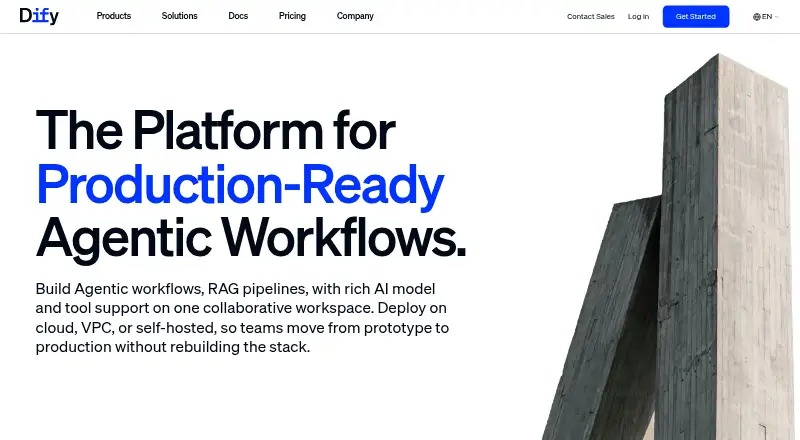
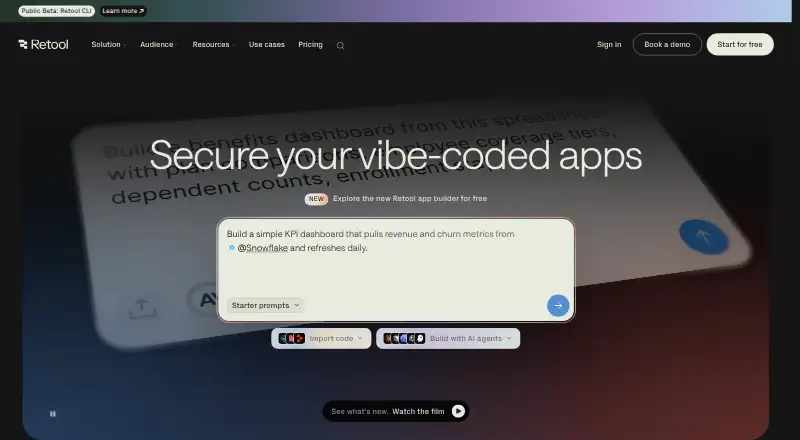
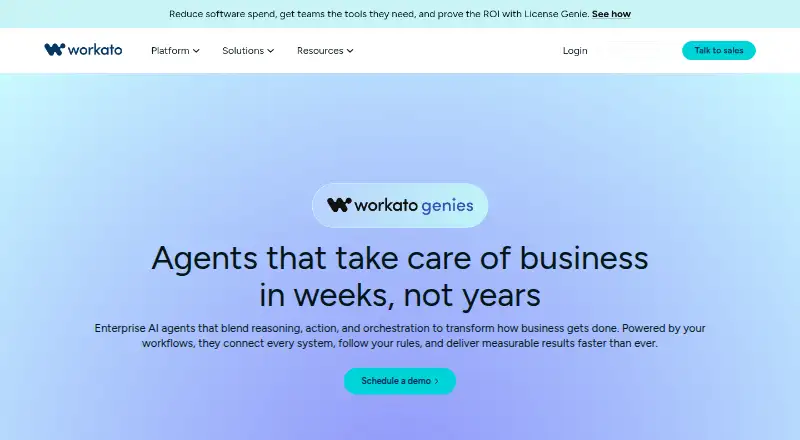
Teams comparing AI-assisted testing products can also consider testRigor, ACCELQ, SmartestQA, Autify, Autonoma, TestFirst, iHarmony AI, and Functionize. Compare their supported application scope, hosting choices, integrations, and published pricing against the requirements of the existing stack.
Verdict
UiPath Test Cloud’s clearest strengths are breadth of test scope, several authoring approaches, runtime recovery actions, and deployment flexibility. Its ALM and CI/CD connections and AI governance controls make it relevant to enterprise teams managing testing within established delivery environments. The main qualification is commercial clarity: the paid entry point is listed as $25/mo, but Standard and Enterprise prices are absent, and some add-on charges are presented without a complete plan-cost breakdown. Teams should verify pricing, trial terms, and deployment-specific security details before choosing a plan.
Compared on AI agent platforms
- Free plan
- Yesuipath.com
- Paid from
- $25/mouipath.com
- Scheduled runs
- Yesuipath.com
- Human approvals
- Yesuipath.com
- Web browsing
- Yesuipath.com
Facts
- Product
- UiPath Test Cloud helps teams design, automate, orchestrate, and manage software testing across low-code, coded, UI, and API workflows.uipath.com · 30 Sept 2026
- Test authoring
- Teams can create tests with drag-and-drop low-code activities, coded automation, or AI-generated authoring.uipath.com · 30 Sept 2026
- Test coverage
- Test Cloud supports testing web, mobile, desktop, API, and enterprise applications.uipath.com · 30 Sept 2026
- AI-assisted testing
- Autopilot can generate low-code and coded test automation, generate synthetic test data, and refactor existing coded automation.uipath.com · 30 Sept 2026
- Runtime recovery
- Healing Agent performs runtime analysis and recovery actions such as selector adjustment, overlay handling, and load waits to reduce UI test breaks.uipath.com · 30 Sept 2026
- Integrations
- Test Cloud connects with ALM tools including Jira, ServiceNow, Azure DevOps, and SAP Solution Manager, and supports CI/CD through Azure DevOps, Jenkins, and UiPath CLI.uipath.com · 30 Sept 2026
- Extensibility
- Supported connectors, plugins, APIs, and SDK-based extensibility support integration with enterprise delivery environments.uipath.com · 30 Sept 2026
- AI governance
- The AI Trust Layer provides centralized governance of AI usage, including auditing, spend controls, PII masking, and model flexibility.uipath.com · 30 Sept 2026
- Security
- Test Cloud follows UiPath’s standard cloud security program; applicable certifications and attestations depend on the deployment model.docs.uipath.com · 30 Sept 2026
- Self-hosting
- Test Cloud is available as UiPath-managed SaaS or as Private Test Cloud, which is on premises and customer-managed.uipath.com · 30 Sept 2026
- Who it is for
- UiPath describes Test Cloud as serving QA leaders, test automation engineers, manual testers, and SDETs at enterprises.uipath.com · 30 Sept 2026
- Trial
- UiPath offers a free Public Test Cloud trial that includes Test Manager, Studio, Autopilot, and Healing Agent; the page does not state its duration.uipath.com · 30 Sept 2026
- Company history
- UiPath says its story began in 2005 with 10 people in Bucharest, Romania.uipath.com · 30 Sept 2026
Company
- Founded
- 2005uipath.com · 28 Sept 2026
- Headquarters
- New York, New York, United Statesuipath.com · 28 Sept 2026
Best UiPath Test Cloud alternatives
See all 12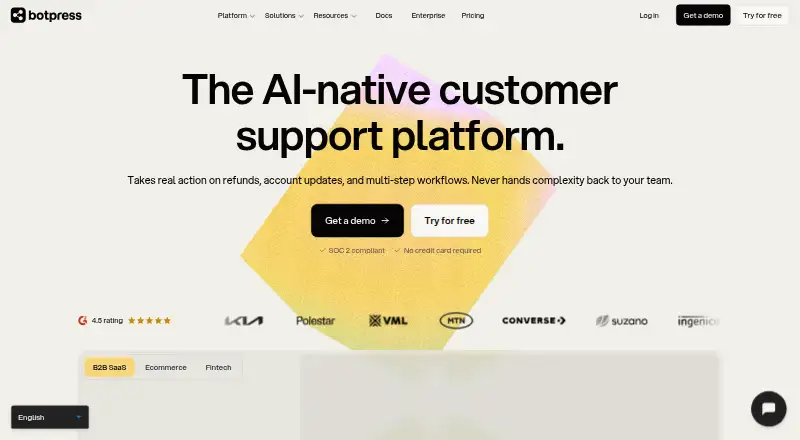






Where it ranks on Inferse
Sources
- uipath.com/platform/agentic-testing/test-automatio· checked 30 Sept 2026
- uipath.com/product/test-cloud· checked 30 Sept 2026
- uipath.com/platform/agentic-testing/integrations· checked 30 Sept 2026
- docs.uipath.com/test-cloud/automation-cloud/latest/admi· checked 30 Sept 2026
- uipath.com/about-us· checked 30 Sept 2026
- uipath.com/pricing· checked 30 Sept 2026