
Danbyte
About
Danbyte is an open-source platform for keeping IP addresses, data-center equipment and network configuration in a shared source of truth. Its IPAM calculates prefix containment, free space and utilization by VRF, and handles VLANs, DHCP ranges, DNS zones and route targets. For DCIM, it represents rack elevations, devices, faceplates, ports, power and virtual chassis. Network views include cable and fibre tracing, floor plans, circuits, VPN tunnels and wireless SSIDs. Proxmox VE and VMware vCenter imports bring in virtual infrastructure, with drift reconciliation; active checks, SNMP and nmap discovery maintain an observed layer and drift inbox. Ansible and Terraform inventories, Jinja templates, configuration contexts, drift runners, signed webhooks and scoped APIs support automation. Danbyte can run on Linux hardware, including air-gapped deployments, without telemetry or an expiring license. The free self-hosted offering includes all features and has no seat license. Its Linux quick installer bundles Python and Node but requires PostgreSQL 15+ and Redis.
Who it is for
Danbyte suits network and data-center teams that want IPAM, infrastructure records and automation in one self-hosted system. It is particularly relevant where air-gapped operation is required.
What is good
- All features included in free self-hosted plans
- Air-gapped operation with no telemetry or license expiry
- Imports Proxmox VE and VMware vCenter infrastructure
- Native Ansible and Terraform inventory support
- Models racks, power, cabling and network topology
What to know first
- Linux installer requires PostgreSQL 15+ and Redis
- Danbyte Cloud is listed as coming soon
- Deployment is on-premises
Inferse review
Danbyte: the full review
Danbyte brings IPAM, DCIM, observed-state discovery and automation into one source-of-truth platform. Its free, air-gapped option is notable for teams prepared to operate the required Linux and database infrastructure.
Overview
Danbyte is an open-source platform for IP address management, data-center infrastructure management and network source of truth. It best suits teams that want to connect infrastructure records with discovery and automation while keeping deployment on their own Linux systems. Its breadth is compelling, but operating it means providing PostgreSQL and Redis as well as the application.
Key features
Danbyte brings IPAM beyond address inventories: it calculates prefix containment, free space and utilization across VRFs, alongside VLANs, DHCP ranges, DNS zones and route targets. That makes it useful when teams need address data to inform broader network operations, rather than maintaining separate records for each domain.
Its DCIM and topology models cover rack elevations, device faceplates, ports, power, virtual chassis and device catalogs. Cable tracing, fibre strands, floor plans, circuits, VPN tunnels and wireless SSIDs extend the inventory into physical and logical connections. This is a wide scope for a single source of truth, though teams seeking a narrowly focused tool may not need all of it.
For virtualization, Proxmox VE and VMware vCenter imports bring in virtual machines, disks, virtual switches, VLANs and ESXi hosts, with drift reconciliation. Active checks, SNMP and nmap discovery add an observed layer and a drift inbox, helping teams compare recorded infrastructure with what discovery finds.
Automation options include native Ansible and Terraform inventory, Jinja export templates, configuration contexts, drift runners, signed webhooks and scoped APIs. Integrations also include Slack, Microsoft Teams, PagerDuty, LDAP/AD and WinRM. Default-authenticated APIs, scoped API tokens, TLS-secure cookies, HSTS, CSP, security headers and SSRF protections provide documented security controls; they do not remove the operator’s responsibility for a self-hosted deployment.
Pricing
Free and open source costs 0.00 USD per free. It includes all features, self-hosted deployment, no seat licence, no enterprise tier and no licence expiry. This is the strongest fit for teams able to run the infrastructure themselves and comfortable with an open-source, self-managed platform.
Self-hosted Danbyte also costs 0.00 USD per free, billed forever, with all features, no seat licence, no enterprise tier and no licence expiry. The two free plans offer the same stated scope, so neither imposes a seat cap or feature tier that would force a growing team to upgrade.
Danbyte Cloud has custom pricing. It is described as a private instance with managed updates, backups, uptime and TLS, plus the ability to export anytime. That may suit teams that want Danbyte without managing its servers, but the cloud plan is marked as coming soon.
The quick installer targets Linux and bundles Python, Node and dependencies, but PostgreSQL 15+ and Redis are still required. Teams should account for that operational footprint when comparing a free licence with the cost of running the service. A live demo provides a private tenant without signup or a card, then deletes it automatically after 30 minutes.
Platforms
Danbyte supports API, Linux, self-hosted and web use, with on-premises deployment. Air-gapped operation is possible on the user’s hardware, with no phone-home, telemetry or expiring licence. The website also states that it uses no tracking cookies, third-party trackers or cross-site profiling.
Who it's for
Danbyte is a strong candidate for infrastructure and network teams that need IPAM, rack and cabling records, virtualization imports, observed-state discovery and automation connected in one system. Air-gapped environments and teams avoiding seat-based licence costs have particular reason to consider it. It is a weaker fit for organizations that do not want to operate Linux, PostgreSQL and Redis, or that need managed hosting now rather than a cloud offering marked as coming soon.
Pros and cons
- Pros: The free, self-hosted plans include all features with no seat licence or expiry, so team size does not create a stated licensing penalty.
- Pros: IPAM, DCIM, topology, virtualization imports, discovery and automation share a broad source-of-truth scope, reducing the need to treat these as disconnected inventories.
- Pros: Air-gapped operation and no telemetry support deployments that need to keep the platform inside their own environment.
- Cons: Self-hosting requires Linux-targeted installation plus PostgreSQL 15+ and Redis, placing infrastructure upkeep on the operator.
- Cons: Managed cloud hosting is not yet presented as available, limiting teams that prefer not to run the platform themselves.
- Cons: A demo tenant lasts only 30 minutes and is automatically deleted, making it suitable for a brief evaluation rather than ongoing work.
Alternatives
Choose Cormant-CS if a paid DCIM subscription with support and live consultant time is a better fit: its approximate 25–30-rack plan costs 7200.00 USD per year under a one-year agreement and covers 500 assets. Choose Hyperview if you want a 30-day free trial with all features and no credit card, or prefer an asset-priced paid plan. For smaller data centers or pilot programs, Global Site Management offers a free GSMpowerlite entry-level version.
ColdAisle is another free, self-hosted option under an MIT licence. openDCIM is a free web-based application under GPL v3. Consider RackTables as a free alternative. EcoStruxure IT is a paid option with a three-year, 250-node plan, while Brightlayer DCIM is another paid option.
Readers comparing tools by category can also browse Data Center Infrastructure Management Software, IT Documentation Software, DHCP Management Software, IP Address Management Software and Network Documentation Software.
Verdict
Choose Danbyte if your team wants an open-source, no-seat-cost source of truth spanning IPAM, DCIM, discovery and automation, and can operate its own Linux and database stack. Its standout advantage is that this breadth remains available in an air-gapped deployment without telemetry or licence expiry. Look elsewhere if managed hosting is a requirement today or your team cannot take on the self-hosting work.
Compared on IP address management software
- Free plan
- Yesdanbyte.net
- Rack management
- Yesdanbyte.net
- Power monitoring
- Yesdanbyte.net
- Cooling monitoring
- Yesdanbyte.net
- Space and capacity planning
- Yesdanbyte.net
- Deployment
- on-premisesdanbyte.net
Facts
- Product scope
- Danbyte is an open-source IPAM, DCIM and network source-of-truth platform for IP space, hardware, cabling, power, virtualization, monitoring and automation.danbyte.net · 30 Sept 2026
- IPAM
- Danbyte computes prefix containment, free space and utilization per VRF and supports VLANs, DHCP ranges, DNS zones and route targets.danbyte.net · 30 Sept 2026
- DCIM
- Danbyte models rack elevations, device faceplates, ports, power, virtual chassis and device catalogs.danbyte.net · 30 Sept 2026
- Topology
- Danbyte supports end-to-end cable tracing, four topology views, fibre-strand tracing, floor plans, circuits, VPN tunnels and wireless SSIDs.danbyte.net · 30 Sept 2026
- Virtualization
- Proxmox VE and VMware vCenter sources import virtual machines, disks, virtual switches, VLANs and ESXi hosts with drift reconciliation.danbyte.net · 30 Sept 2026
- Monitoring
- Danbyte uses active checks plus SNMP and nmap discovery to maintain an observed layer and a drift inbox.danbyte.net · 30 Sept 2026
- Automation
- Danbyte provides native Ansible and Terraform inventory, Jinja export templates, configuration contexts, drift runners, signed webhooks and scoped APIs.danbyte.net · 30 Sept 2026
- Integrations
- Listed integrations include Ansible, Terraform, Slack, Microsoft Teams, PagerDuty, Proxmox, VMware vCenter, SNMP, nmap, LDAP/AD and WinRM.danbyte.net · 30 Sept 2026
- Security controls
- The documented deployment security includes default-authenticated APIs, scoped API tokens, TLS-secure cookies, HSTS, CSP, security headers and SSRF protections.docs.danbyte.net · 30 Sept 2026
- Self-hosting
- Danbyte can run fully air-gapped on the user's hardware with no phone-home, no telemetry and no expiring license.danbyte.net · 30 Sept 2026
- Installation
- The quick installer targets Linux and bundles Python, Node and dependencies, while requiring PostgreSQL 15+ and Redis.docs.danbyte.net · 30 Sept 2026
- Demo
- The live demo provides a private tenant without signup or a card and automatically deletes it after 30 minutes.danbyte.net · 30 Sept 2026
- Privacy
- Danbyte's website states that it uses no tracking cookies, third-party trackers or cross-site profiling, and the self-hosted software sends no telemetry.danbyte.net · 30 Sept 2026
Best Danbyte alternatives
See all 12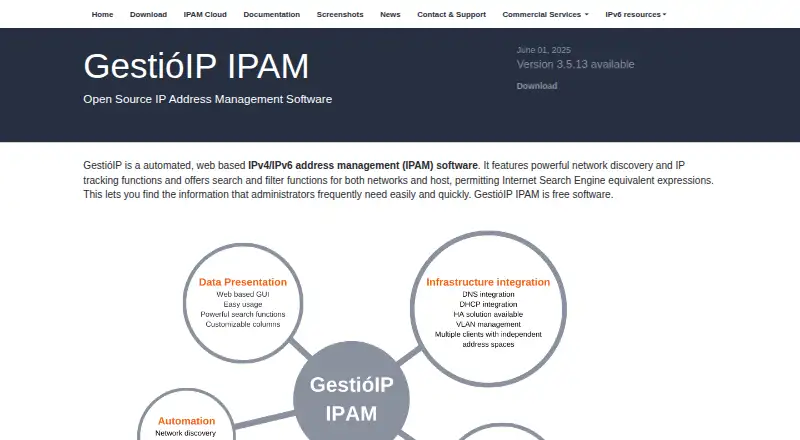 7.4 GestióIP $33.33/mo first paid tier Free plan
 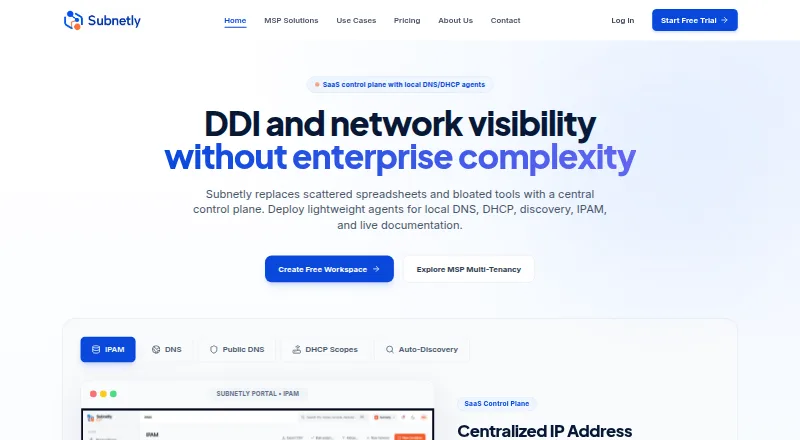 7.4 Subnetly $49/mo first paid tier Free plan
 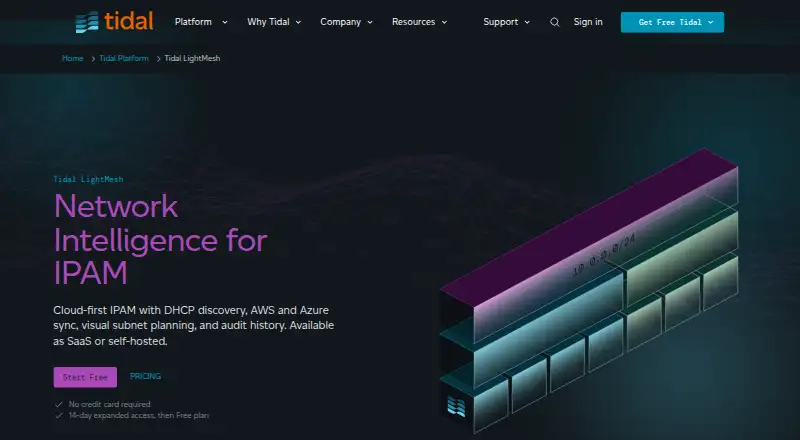 7.4 Tidal LightMesh $32.08/mo first paid tier Free plan
 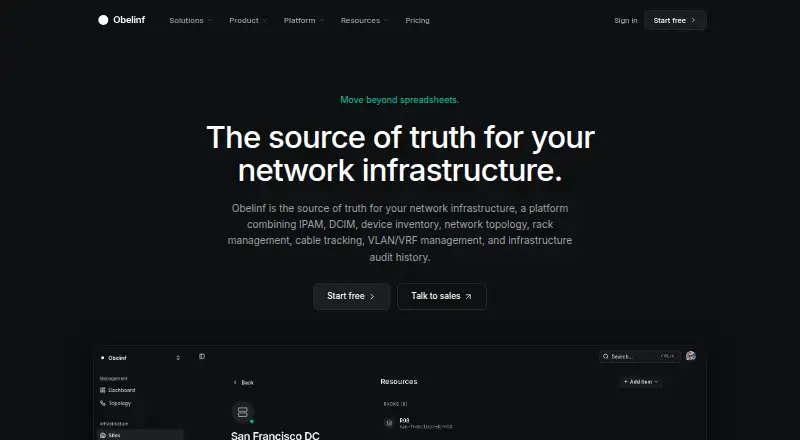 7.3 Obelinf $99/mo first paid tier Free plan
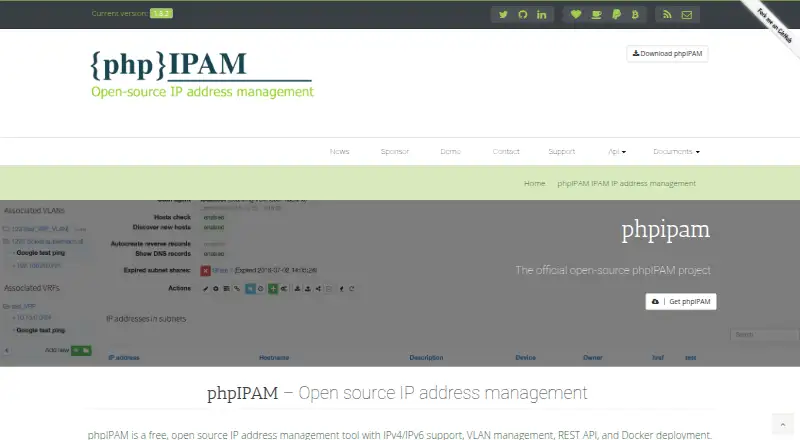 7.3 phpIPAM Free free plan, no paid price published Free plan
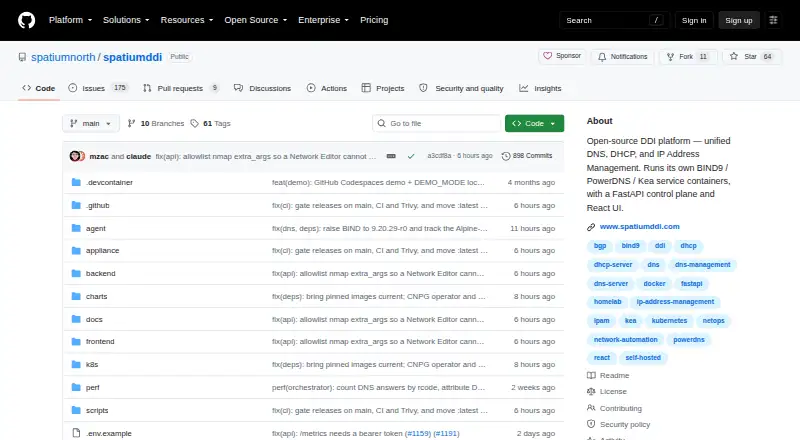 7.3 SpatiumDDI Free free plan, no paid price published Free plan
 Where it ranks on Inferse
Sources
- danbyte.net· checked 30 Sept 2026
- danbyte.net/features· checked 30 Sept 2026
- docs.danbyte.net/reference/settings/· checked 30 Sept 2026
- danbyte.net/self-hosting· checked 30 Sept 2026
- docs.danbyte.net/getting-started/installation/· checked 30 Sept 2026
- danbyte.net/demo· checked 30 Sept 2026
- danbyte.net/privacy· checked 30 Sept 2026
- danbyte.net/cloud· checked 30 Sept 2026