
Extend
About
Extend manages company card spending and employee expenses through virtual cards, receipt capture, expense reports and accounting reconciliation. Virtual cards can carry spending limits and expiration dates for vendor payments, subscriptions or team expenses. Issuing those cards is available only through participating bank partners; eligible Visa or Mastercard cards from other banks can be registered for expense management. Other tools include budgets, reimbursements, approval workflows and transaction reporting. Integrations include QuickBooks Online and Desktop, NetSuite, Xero, Sage Intacct and Microsoft Dynamics 365 Business Central. The virtual card API supports issuance, transaction metadata, real-time authorization and clearing data through webhooks, and configurable card controls. Starter is free for up to five users and up to 100 virtual cards per month. Pro (annual) costs 8.99 USD per year, billed per user per month on the annual plan, with a 10-user minimum; Pro (monthly) costs 11.99 USD per month, also with a 10-user minimum. Enterprise has custom pricing. Extend says it is PCI and SOC 2 compliant and uses TLS with SHA-256 and RSA encryption.
Who it is for
Extend is aimed at companies managing business spending and employee expenses, from small teams to larger organizations. Its API and accounting integrations may suit teams connecting card activity with existing systems.
What is good
- Virtual cards support spending limits and expiration dates
- Expense tools include approvals and reimbursements
- API supports issuance and real-time transaction data
- Integrates with several accounting platforms
- Starter is free for up to five users
What to know first
- Virtual card issuance requires participating bank partners
- Pro plans have a 10-user minimum
- Enterprise pricing is not listed
Inferse review
Extend: the full review
Extend combines expense workflows with virtual card controls, accounting integrations and an issuing API. Confirm bank-partner eligibility for card creation and note the Pro user minimum before choosing a plan.
Overview
Extend brings company-card spending and employee expense administration together, with virtual cards, reporting, reimbursements, and accounting reconciliation. It suits teams that need configurable card controls alongside expense workflows, particularly those using one of its supported accounting systems. Its main caveats are bank-partner eligibility for issuing cards and a 10-user minimum for Pro.
Key features
Virtual cards and controls
Teams can create virtual cards for vendor payments, subscriptions, or employee expenses, with spending limits and expiration dates. Those controls can help bound recurring or delegated spend, but card creation is available only through participating bank partners. Eligible Visa or Mastercard cards from other banks can be registered for expense management; that does not enable Extend-issued virtual cards.
Extend also supports spend controls, funding and balances, and multi-card programs. Its virtual card API supports issuance, configurable controls, and transaction metadata, with real-time authorization and clearing data delivered through webhooks. That makes it relevant to teams building card workflows around Extend’s issuing capabilities, subject to the same partner eligibility constraint.
Expense workflows and integrations
Budgets, receipt capture, expense reports, reimbursements, approval workflows, and transaction reporting cover the work surrounding company-card spend. Integrations with QuickBooks Online and Desktop, NetSuite, Xero, Sage Intacct, and Microsoft Dynamics 365 Business Central make the expense tools more useful to teams already operating in those systems. Starter’s single expense category may be limiting for organizations that need to separate spend by department or purpose; Pro allows five, and Enterprise removes the category and label caps.
Security and support
Extend says it is PCI and SOC 2 compliant and uses TLS with SHA-256 and RSA encryption to protect data. It says only a virtual card’s designated recipient can view the full number; the primary cardholder and organization admins see only the last four digits in the app and reports. Starter includes email and chat support, while Pro adds priority support and Enterprise includes a designated account manager and custom implementation. A help center, onboarding support, webinars, and learning resources round out its customer help.
Pricing
Extend has a free Starter plan and paid Pro plans, with no free trial. Starter costs 0.00 USD per free and supports up to 5 users and 10 guests, with up to 100 virtual cards per month, 1 expense category, and 15 category labels. It is a reasonable fit for a small team with modest card volume, but the category and card limits may constrain more involved expense programs.
Pro (annual) costs 8.99 USD per user, per month on the annual plan; Pro (monthly) costs 11.99 USD per user, per month. Both require at least 10 users, allow up to 50 guests and 500 virtual cards per month, and include up to 5 expense categories and 500 category labels. The annual rate is the lower per-user option for teams able to meet the minimum and commit to annual billing. That minimum makes Pro a poor fit for smaller organizations seeking paid features.
Enterprise has custom pricing, no user minimum, custom user packages, virtual card issuance by API key, and unlimited expense categories and labels. It is the more flexible option for organizations with bespoke scale or API issuance needs, though its cost must be assessed through a custom quote.
Platforms
Extend is available on Android, iOS, and web, and provides an API. It is headquartered in New York City, New York, United States, and says it was founded in 2017 by payment industry veterans.
Who it's for
Extend is best suited to businesses that want expense workflows and virtual-card controls alongside accounting connections they already use. It can also suit teams building card issuance around its API. Confirm that a participating bank partner supports card creation before making it central to a card program; businesses with fewer than 10 users that need paid features should weigh the Pro minimum carefully.
Pros and cons
- Pros: Virtual cards have spending limits and expiration dates, giving teams specific controls for vendor, subscription, and employee spend.
- Pros: The API supports issuance and real-time authorization and clearing data through webhooks, useful for teams integrating card activity into their own workflows.
- Pros: Accounting integrations span QuickBooks, NetSuite, Xero, Sage Intacct, and Microsoft Dynamics 365 Business Central.
- Cons: Virtual card creation depends on participating bank partners, limiting its fit for businesses whose card issuer is not eligible.
- Cons: Pro requires 10 users, a substantial threshold for smaller teams that have outgrown Starter’s caps.
- Cons: Starter is capped at 100 virtual cards monthly and one expense category, which may not cover growing or more segmented programs.
Alternatives
For a broader look at Card Issuing Platforms, compare the options against your card-program needs. Choose Marqeta if you want an API- and web-based paid platform with enterprise pricing handled through sales. Paynetics Card Issuing is another paid option, spanning Android, API, iOS, and web, with customizable programs and physical or virtual Visa and Mastercard cards.
Enfuce Cards may suit teams prepared for programme-scoped pricing with implementation, monthly service, volume, and possible add-on fees. Consider Lithic if you want a custom quote based on transaction volume and required features, or Nium Physical and Virtual Cards for a custom card program whose terms are discussed with Nium.
Highnote is a paid API and web option with pricing that includes volume discounts, interchange split, and a dedicated program manager. Mastercard Decision Intelligence is a paid web-based alternative with pricing handled through sales. Conferma Pay is another option, available on web, iOS, and Android.
Verdict
Choose Extend if your business wants card controls and employee expense workflows in one platform, especially when its accounting integrations fit your stack and your team meets Pro’s minimum. Its issuing API adds useful building blocks for card programs, but bank-partner eligibility is a decisive constraint for card creation. Look elsewhere if you need card issuance independent of those partners or paid access for a team smaller than 10 users.
Compared on card issuing platforms
- Free plan
- Yespaywithextend.com
- Virtual cards
- Yespaywithextend.com
- Issuing API
- Yespaywithextend.com
- Spend controls
- Yespaywithextend.com
- Funding and balances
- Yespaywithextend.com
- Card program support
- multipaywithextend.com
- KYC/KYB tools
- Yespaywithextend.com
Facts
- Product
- Extend manages company credit card spending and employee expenses, with virtual cards, expense tracking, receipt management, and accounting reconciliation.paywithextend.com · 28 Sept 2026
- Issuer availability
- Virtual card creation is available only with participating bank partners; eligible Visa or Mastercard cards from other banks can be registered for expense management features.paywithextend.com · 28 Sept 2026
- Expense tools
- Extend offers budgets, receipt capture, expense reports, reimbursements, approval workflows, and transaction reporting.paywithextend.com · 28 Sept 2026
- Integrations
- Extend lists integrations with QuickBooks Online and Desktop, NetSuite, Xero, Sage Intacct, and Microsoft Dynamics 365 Business Central.paywithextend.com · 28 Sept 2026
- API
- Extend's virtual card API supports card issuance, transaction metadata, real-time authorization and clearing data through webhooks, and configurable card controls.paywithextend.com · 28 Sept 2026
- Security
- Extend says it is PCI and SOC 2 compliant and uses TLS with SHA-256 and RSA encryption to protect data.paywithextend.com · 28 Sept 2026
- Virtual card privacy
- Extend says only the designated recipient can see a virtual card's full number, while the primary cardholder and organization admins see its last four digits in the app and reports.paywithextend.com · 28 Sept 2026
- Support
- Starter includes email and chat support, Pro includes priority support, and Enterprise includes a designated account manager and custom implementation.paywithextend.com · 28 Sept 2026
- Customer help
- Extend provides a help center, onboarding support, webinars, and learning resources.paywithextend.com · 28 Sept 2026
- Who it serves
- Extend describes its business platform as serving companies of all sizes and helping businesses manage company spending and employee expenses.paywithextend.com · 28 Sept 2026
Company
- Headquarters
- New York City, New York, United Statespaywithextend.com · 28 Sept 2026
- Founded
- Extend says it was founded in 2017 by payment industry veterans.paywithextend.com · 28 Sept 2026
Best Extend alternatives
See all 12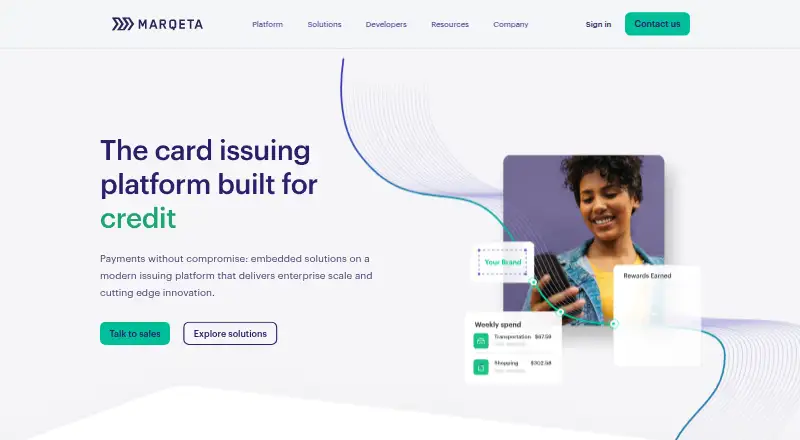 7.0 Marqeta See plans price on the maker's page
 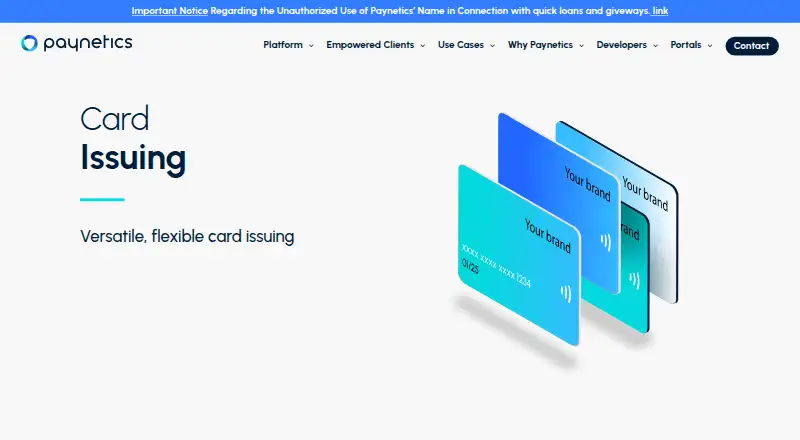 7.0 Paynetics Card Issuing See plans price on the maker's page
 6.9 Enfuce Cards See plans price on the maker's page
 6.9 Lithic See plans price on the maker's page
  6.9 Nium Physical and Virtual Cards See plans price on the maker's page
  6.9 OpenWay Way4 See plans price on the maker's page
Where it ranks on Inferse
Sources
- paywithextend.com/faqs· checked 28 Sept 2026
- paywithextend.com/pricing· checked 28 Sept 2026
- paywithextend.com/app-features· checked 28 Sept 2026
- paywithextend.com/guides/expense-codes-integrations· checked 28 Sept 2026
- paywithextend.com/solutions/integrated-payments· checked 28 Sept 2026
- paywithextend.com/guides/virtual-cards· checked 28 Sept 2026
- paywithextend.com/guides/support· checked 28 Sept 2026
- paywithextend.com/company· checked 28 Sept 2026
- paywithextend.com· checked 28 Sept 2026
- paywithextend.com/resource/how-to-send-a-virtual-card· checked 28 Sept 2026