
Neon
About
Neon is a serverless, cloud-hosted PostgreSQL database service with a managed relational database and an API for programmatic project and database management. Compute can scale with workload, suspend after inactivity, and resume when activity returns. Its isolated database branches can be created in about a second and share data through copy-on-write storage; connection pooling uses PgBouncer. Neon supports JSON data, read replicas, high availability, and point-in-time recovery, with seven-day backup retention. It lists integrations and workflows for Vercel, Prisma, Drizzle ORM, GitHub Actions, and its CLI. The Free plan is $0.00 per free, with 10 projects, 50 CU-hours per month per project, 0.5 GB storage per project, 10 branches per project, and 5 GB monthly egress. Launch lists $0.11 per month and bills $0.106 per CU-hour; Scale lists $0.22 per month and bills $0.222 per CU-hour. Neon states that stored data is encrypted with AES-256 and data in transit uses TLS 1.2 or higher.
Who it is for
Neon suits teams seeking a managed cloud PostgreSQL database with autoscaling, branching, and an API. Its plans include a free option, usage-based Launch, and a Scale plan with an SLA-backed uptime figure and private networking.
What is good
- Free plan includes 10 projects.
- Compute can scale with workload and scale to zero.
- Branches share data through copy-on-write storage.
- Supports PgBouncer connection pooling.
- Offers read replicas and point-in-time recovery.
What to know first
- Deployment is cloud only.
- Free plan limits storage to 0.5 GB per project.
- Free plan allows 5 GB monthly egress.
- Launch and Scale charges are usage-based.
Inferse review
Neon: the full review
Neon combines managed PostgreSQL with branching, autoscaling, and programmatic management. Plan limits, usage-based billing, and cloud-only deployment are important considerations.
Overview
Neon is a managed, cloud-hosted PostgreSQL service built around serverless compute and database branching. It is a relational database with JSON support, high availability, read replicas and point-in-time recovery. Its scaling model combines autoscaling with the ability to scale compute to zero: compute can pause after inactivity and resume when database activity returns.
That approach can suit projects whose workloads vary, as well as teams that want separate database branches for development or other workflows. Neon says branches are isolated, take about a second to create and share data using copy-on-write storage. The service also provides an API to manage projects and databases programmatically.
Neon joined Databricks in May 2025 and is now part of the Databricks Platform. It is a cloud deployment, rather than a database you host on your own infrastructure.
Key features
Compute that follows workload
Neon automatically adjusts compute resources to workload demand. When a database is inactive, its compute can suspend; it restarts when activity resumes. For teams with intermittent workloads, this means compute is not required to remain active during every idle period.
Branches and connection pooling
Database branches provide isolated environments while sharing underlying data through copy-on-write storage. Neon says branches can be created in about a second, making them useful for workflows that need separate database states. Connection pooling is available through PgBouncer.
Integrations and data protection
Neon documents integrations and workflows involving Vercel, Prisma, Drizzle ORM, GitHub Actions and its CLI. It states that stored data is encrypted with AES-256 and that data in transit uses TLS 1.2 or higher. Neon also reports annual SOC 2 Type II, ISO/IEC 27001:2022 and ISO/IEC 27701:2019 audits, and says it has achieved HIPAA compliance.
Point-in-time recovery and a seven-day backup retention period are listed. Neon directs customers to its Discord community for questions and discussion.
Pricing
Neon uses a freemium model with a free plan and usage-based paid plans. The listed plan prices and billing terms are:
| Plan | Listed price and billing | Included details |
|---|---|---|
| Free | 0.00 USD per free (billed Free) | 10 projects; 50 CU-hours/month per project; 0.5 GB storage per project; 10 branches/project; 5 GB/month egress |
| Launch | 0.11 USD per month (billed $0.106 per CU-hour; $0.35 per GB-month storage) | Usage-based with no monthly minimum; 10 branches/project included, then $0.002 per branch-hour; autoscaling up to 16 CU; 100 GB/month egress |
| Scale | 0.22 USD per month (billed $0.222 per CU-hour) | Usage-based with no monthly minimum; 1,000 projects; 99.95% SLA-backed uptime; private networking and IP allow lists; 25 branches/project included; 30-day Instant Restore window |
The Launch and Scale prices are listed per month, while their usage charges are billed by compute and, for Launch, storage. Teams should distinguish the listed monthly price from the stated usage-based billing terms when estimating costs.
Platforms
Neon is available through its API and web interface, and is listed for Linux, macOS and Windows. Its cloud-hosted, managed deployment means those platform listings describe access and tooling rather than self-hosted database deployment.
Who it's for
Neon describes Launch as suited to growing projects and early startups. Its autoscaling, scale-to-zero behavior, branching and pooling are relevant to teams managing variable workloads or development workflows alongside PostgreSQL applications.
Neon positions Scale for production workloads that require advanced security, availability and compliance features. Its listed 99.95% SLA-backed uptime, private networking, IP allow lists and 30-day Instant Restore window are the clearest plan details for teams assessing those needs. The stated audit and HIPAA status may also matter to organizations evaluating compliance requirements.
Pros and cons
Pros
- Autoscaling and compute suspension after inactivity accommodate changing workload patterns.
- Fast, isolated branches share data through copy-on-write storage.
- An API, PgBouncer connection pooling and documented integrations support programmatic and application workflows.
- The plans include a free option, and Scale lists private networking, IP allow lists and SLA-backed uptime.
Cons
- Neon is cloud-only, so it does not fit teams requiring a self-hosted deployment.
- Paid plans are usage-based, with compute and storage rates that teams need to account for beyond the listed monthly price.
- The stated backup retention is seven days; the longer 30-day Instant Restore window is a Scale plan detail.
- Customer questions and discussion are directed to Discord.
Alternatives
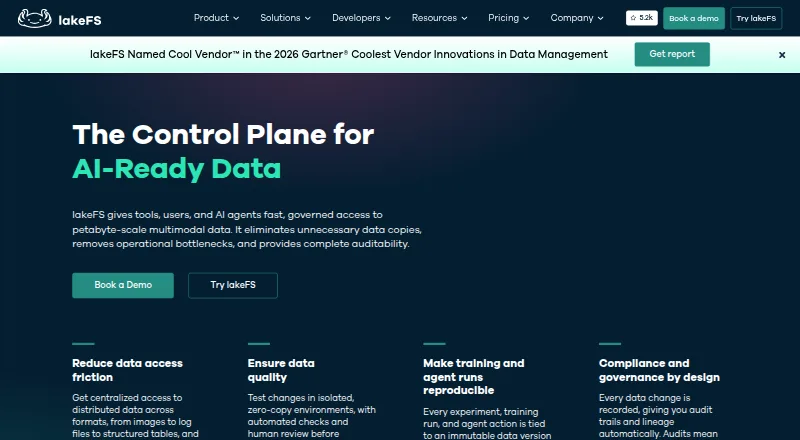
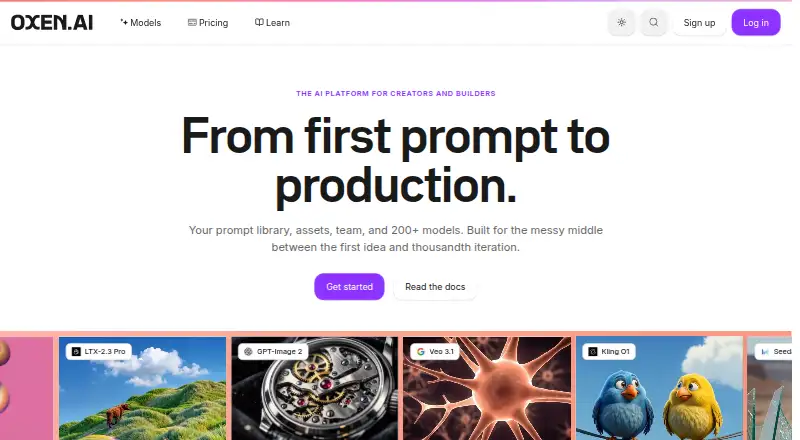
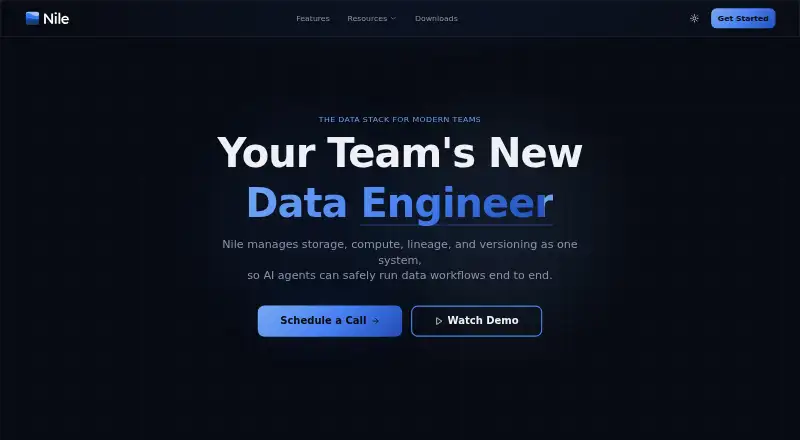
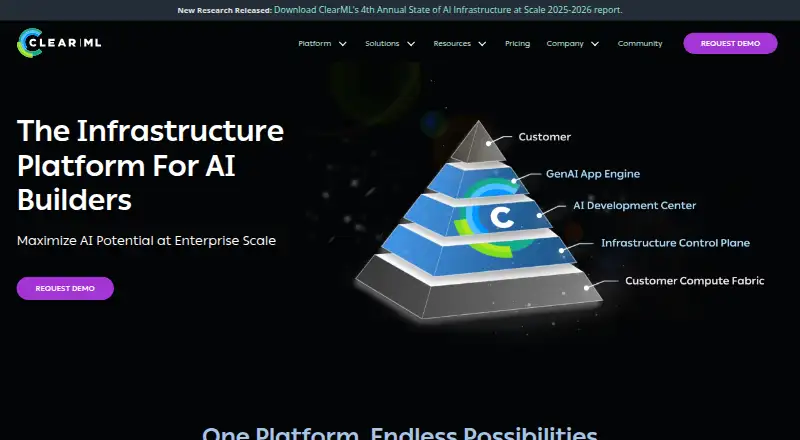
For other relational database options, compare Amazon RDS, Aiven for PostgreSQL, Crunchy Bridge and Google Cloud SQL alongside the broader Relational Databases category. Teams considering a different database model or footprint can also review MySQL and SQLite. The Vector database hosting and Data Version Control Tools directories cover adjacent needs; H2 Database Engine and InterSystems IRIS are additional database options.
Verdict
Neon combines managed PostgreSQL with workload-responsive compute, rapid branching and a programmatic API. Its strongest fit is a team that wants cloud PostgreSQL with isolated branches and the option to pause compute during inactivity, and is comfortable with usage-based billing. Free provides a path to begin with defined project, compute, storage and egress limits; Launch and Scale add higher-scale or production-oriented provisions. The cloud-only model and variable charges are important constraints for teams comparing it with fixed-cost services or self-hosted databases.
Compared on data version control tools
- Free plan
- Yesneon.com
Facts
- Product
- Neon describes itself as a serverless, cloud-hosted PostgreSQL database service.neon.com · 30 Sept 2026
- Autoscaling
- Neon automatically adjusts database compute resources based on workload.neon.com · 30 Sept 2026
- Scale to zero
- Neon can suspend compute after inactivity and restart it when database activity resumes.neon.com · 30 Sept 2026
- Branching
- Neon database branches are isolated, can be created in about a second, and share data through copy-on-write storage.neon.com · 30 Sept 2026
- Connection pooling
- Neon supports connection pooling using PgBouncer.neon.com · 30 Sept 2026
- Integrations
- Neon documents integrations and workflows involving Vercel, Prisma, Drizzle ORM, GitHub Actions, and its CLI.neon.com · 30 Sept 2026
- API
- Neon provides an API for managing projects and databases programmatically.neon.com · 30 Sept 2026
- Use cases
- Neon describes its Launch plan as suited to growing projects and early startups, and Scale as intended for production workloads requiring advanced security, availability, and compliance features.neon.com · 30 Sept 2026
- Security
- Neon states that stored data is encrypted with AES-256 and data in transit uses TLS 1.2 or higher.neon.com · 30 Sept 2026
- Compliance
- Neon states it undergoes annual SOC 2 Type II, ISO/IEC 27001:2022, and ISO/IEC 27701:2019 audits, and has achieved HIPAA compliance.neon.com · 30 Sept 2026
- Support
- Neon directs customers to its Discord community for questions and discussion.neon.com · 30 Sept 2026
- Company
- Neon says it joined Databricks in May 2025 and is now part of the Databricks Platform.neon.com · 30 Sept 2026
Best Neon alternatives
See all 12





Where it ranks on Inferse
Sources
- neon.com/security· checked 30 Sept 2026
- neon.com/blog/neon-autoscaling-is-generally-avai· checked 30 Sept 2026
- neon.com/docs/manage/endpoints/· checked 30 Sept 2026
- neon.com/docs/get-started-with-neon/workflow-pri· checked 30 Sept 2026
- neon.com/blog/move-fast-and-branch-things· checked 30 Sept 2026
- neon.com/blog/better-postgres-with-prisma-experi· checked 30 Sept 2026
- neon.com/platforms· checked 30 Sept 2026
- neon.com/blog/new-usage-based-pricing· checked 30 Sept 2026
- neon.com/about-us· checked 30 Sept 2026
- neon.com/blog/major-compute-price-reduction-on-n· checked 30 Sept 2026